

Last Updated on June 7, 2026
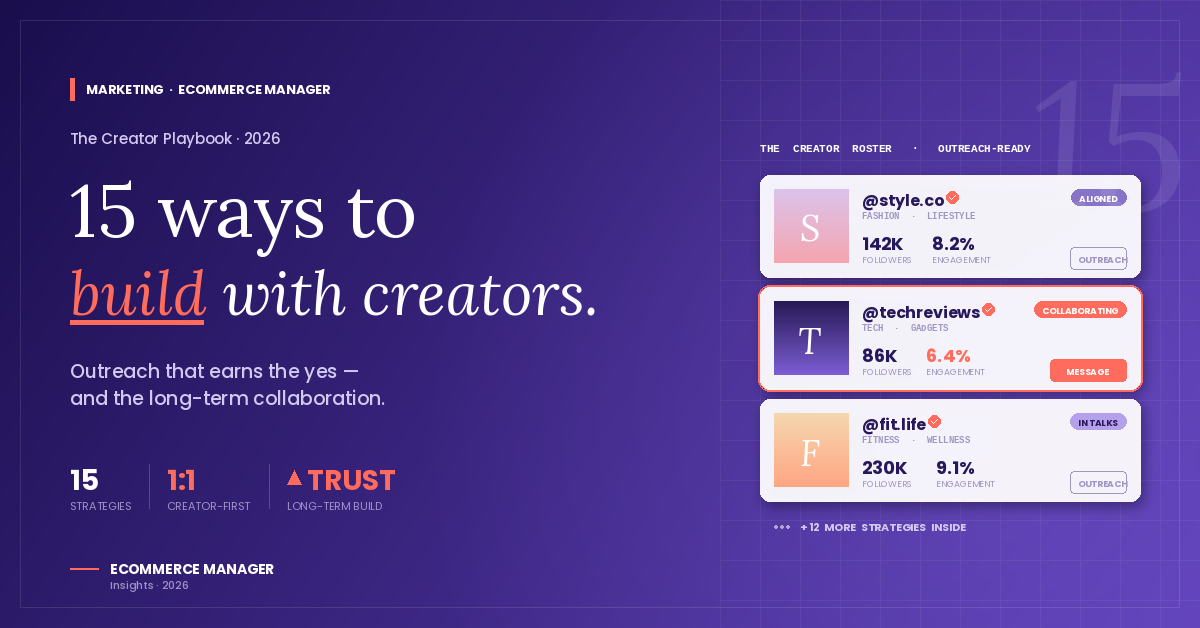
How to Build Relationships with Influencers: 15 Strategies for Successful Collaborations
Building authentic relationships with influencers requires more than cold outreach and generic pitches. This guide breaks down proven strategies for creating mutually beneficial partnerships, drawing from insights shared by marketing professionals and brand collaboration experts. Learn practical approaches to earn trust, provide value upfront, and establish long-term connections that drive real results.
- Build A Staged Ambassador Pipeline
- Feature Them Before You Ask
- Propose A Contrarian Perspective
- Share Credible Education Early
- Provide Proprietary Localized Insights
- Showcase Work Publicly Before Any Pitch
- Send Specific Help Upfront
- Spot Buyers Gift Freely Earn Trust
- Host No Pressure Experiences That Inspire Coverage
- Invest In Long Term Aligned Partnerships
- Open With Relevant Tangible Value
- Target Creators With Natural Problem Fit
- Collaborate With Similar Voices
- Quote And Credit Them First
- Prioritize Focused Personalized Outreach
Build A Staged Ambassador Pipeline
One strategy I consistently use to build strong long-term relationships with influencers and bloggers is treating outreach like an ambassador funnel, not a one-time collaboration request.
Instead of starting with “Here’s the budget, can you post?”, I focus on building trust in stages. The best creators do not want random paid deals. They want to feel aligned with the brand, valued, and treated as real partners.
My funnel looks like this:
Step 1: Research + warm engagement
Before reaching out, my team and I analyze the creator’s content style, audience demographics, engagement quality, and what topics they naturally perform best in. Then we engage with their content authentically through comments, shares, and responses so the relationship starts organically.
Step 2: Value-first outreach
When we message them, we never send generic pitches. We highlight why we chose them specifically and offer value beyond payment such as early access to the product, exclusive opportunities, and long-term collaboration potential.
Step 3: Low-friction test campaign
I usually start with a smaller collaboration first like UGC content or a soft post. This helps the creator experience the brand without pressure, and helps the brand evaluate performance before scaling.
Step 4: Scale into ambassadors
Once we see strong results, we invite top performers into a structured ambassador program with clear benefits: monthly retainers, recurring content slots, performance bonuses, affiliate commissions, and brand perks. This turns creators into repeat partners instead of short-term advertisers.
A successful example was when I built an ambassador pipeline for a wellness brand. We onboarded 10 to 15 creators through a trial funnel where they produced educational UGC videos aligned with their audience. Within the first month, we identified creators who drove both strong engagement and conversions, then transitioned them into long-term ambassadors with predictable monthly deliverables and a content calendar.
The result was stronger ROI and a visible boost in brand trust because the audience saw the product repeatedly from voices they already believed in.
My biggest lesson: influencers do not want to feel used for a post. They want to feel like they are building something with you.

Feature Them Before You Ask
Prioritizing value creation prior to solicitation yields superior results. I will start by featuring the influencer or brand ahead of time; that is, including the influencer or brand’s insights in a roundup post, quoting their work, linking to their resources in our content, etc. After the initial feature I can then reach out with something more specific—e.g., instead of saying ‘let’s collaborate’ I can say ‘I’ve just included you in this piece—can you elaborate?’ I can perform this through HARO or just simple LinkedIn outreach, and this strategy consistently produces higher response rates because there is an established context to the relationship.
One specific example is our efforts to build an article of “Top SEO Tools” with the inclusion of 8 industry experts and short quotes from each of them. After publishing the article we reached out to offer each contributor a more in-depth feature (guest post). This resulted in 3 links back to our site, two co-marketing articles and a shared mailing campaign. As a result, we experienced a 25% increase in referral traffic within one month as a direct result of implementing this approach. The reason this strategy works is because you are not asking for attention but rather providing a reason for collaboration.

Propose A Contrarian Perspective
One strategy that consistently delivers is bringing influencers a contrarian angle their audience can immediately use. Safe ideas rarely travel, while practical tension creates stronger conversation and deeper trust. When the proposal challenges a stale industry assumption, creators see genuine editorial value. I position the partnership around insight, evidence, and a clear reader outcome.
A successful collaboration involved a beauty commerce brand facing intense acquisition costs and low differentiation. A niche blogger had authority, yet most sponsored content repeated the same routine advice. The campaign focused on what not to buy first, then guided readers toward better-fit products. That angle improved engagement quality, lifted conversion efficiency, and sparked additional unpaid coverage.

Share Credible Education Early
The strategy that’s worked best for us is leading with education the influencer can actually use, not a product drop. Most outreach in women’s wellness lands the same way—here’s a discount code, here’s a free bottle, please post. Creators get dozens of those a week. What gets a reply is sending something genuinely useful before asking for anything.
Specifically, we share short educational explainers our scientific advisory board has already reviewed—things like how the vaginal microbiome shifts across a cycle, or why certain probiotic strains have human clinical data and others don’t. We never led with the product. We led with a piece of content our advisory board had already vetted, something the creator could actually use with her audience that week. The implicit value exchange is clear: we’re handing her credibility-backed material she’d otherwise have to research herself, and she keeps full editorial control over how she uses it.
One example: a women’s health creator with a mid-sized but highly engaged audience came to us months after we’d shared a few of these explainers with no ask attached. She’d already been recommending us organically because the science checked out when she ran it past her own OB/GYN. When we eventually formalized the partnership, the content performed well above her baseline because her audience had seen her reference us unprompted first.
What makes this work is the sequencing. Vertical integration helps—because we manufacture in-house, I can get a formulator or an OB/GYN on our advisory board to answer a creator’s specific question within a day, which most brands working through a contract manufacturer can’t do. That responsiveness is the actual moat, not the outreach template.
Practical next step if you’re building this: audit what your in-house experts know that your target creators would genuinely find useful, package three or four pieces of it, and send it with no ask for ninety days. The relationships that form in that window tend to be the durable ones.

Provide Proprietary Localized Insights
The strategy that’s worked best for us is the opposite of what most DTC brands do. Pitch the data, not the product.
I’ve run PerfumeM (perfumem.com), a fragrance Shopify store, since 2017. Influencer outreach in beauty is a graveyard of “we’d love to send you a PR box” emails. We send those too. They get ignored. What doesn’t get ignored is a one-line email that says “we just pulled the most-searched fragrance in your home state for 2026. Want the data slice?”
We did this for our 2026 50-state fragrance trends study at perfumem.com/blogs/news/most-searched-fragrance-by-us-state-2026. For every regional creator we wanted to work with, we pre-built a single slide with their state’s finding. What their audience was searching for, why it was an outlier (or why it wasn’t), and the raw CSV link. No ask. No discount code. Just useful regional content for a creator who needs content every week.
Roughly half the recipients used the slide in a video or post within 30 days. Of those, several reached out to us afterward asking for samples or a longer story. We never had to follow up.
The principle: influencers don’t owe you anything for a free product. They owe you something for a story they couldn’t have told without you.
Ahmad Khan, founder of PerfumeM (perfumem.com)

Showcase Work Publicly Before Any Pitch
I’m Runbo Li, Co-founder & CEO at Magic Hour.
The strategy is simple: make their content better before you ever ask for anything. I call it “leading with the demo.” Instead of cold-pitching influencers with partnership decks or affiliate offers, we create something for them using our platform, post it publicly, and tag them. No ask. No strings. Just a piece of content so good they can’t ignore it.
The best example is how we landed the Dallas Mavericks. Early on, I was posting AI-generated sports edits daily on social media. One NBA highlight reel I made went viral. Mark Cuban saw it, followed me, and became a paying customer on his own. Then the Mavericks organization reached out organically to explore a collaboration. I never sent a single cold email. I never pitched anyone. The work did the pitching.
We’ve repeated this playbook dozens of times since. A creator with 500K followers posts a video, we’ll remake it using one of our templates, post our version, and tag them. Nine times out of ten, they respond. Half the time, they repost it. And a good chunk of those turn into real relationships where they’re using Magic Hour in their workflow and talking about it without us paying them a dime.
The reason this works is that influencers are drowning in partnership requests. Every brand wants a piece of their audience. But almost nobody shows up offering genuine value first. When you lead with something that makes them look good, you skip the entire trust-building phase. You’ve already proven you understand their world.
Don’t build a pipeline of influencer outreach. Build a portfolio of work so good that the right people come to you.

Send Specific Help Upfront
The approach that has worked most consistently for us is leading with something useful before any ask exists. In our outreach work for SEOBRO, I never open with a pitch — I open with something genuinely useful to them, and by the time I make an ask, the relationship already exists.
A concrete example: I wanted to build a relationship with a SaaS-focused content site whose audience overlapped with one of our clients. Instead of emailing about a guest post or backlink, I ran a small technical audit of their highest-traffic pillar page — found three indexation issues, two internal linking gaps, and a cannibalization problem between two of their guides. I sent it as a one-page document with no ask attached. Just “saw these, thought they’d be useful, no obligation.”
They fixed two of the three issues within a week and replied asking what we did. That conversation turned into a co-authored piece three months later, which became one of their top-five organic pages that quarter and sent qualified referral traffic to our client’s resource hub for over a year.
What made it work wasn’t the audit itself — it was that the value was specific, unsolicited, and aligned with something they already cared about (their own page performance). Generic “love your content” outreach gets ignored because it costs nothing to send. A real audit costs an hour and signals you actually read their work.
The trade-off: this doesn’t scale. You can do maybe 5-10 of these a month if you want the analysis to be real. But the conversion rate from contact to genuine collaboration is dramatically higher than templated outreach, and the relationships compound — most of our strongest partner relationships started this way and have produced multiple collaborations over years rather than one transactional placement.
The mechanism is simple: in a niche where everyone is asking, the person giving stands out by default.

Spot Buyers Gift Freely Earn Trust
The strategy that’s worked best for us is the opposite of how most brands approach influencer outreach. Instead of pitching to creators with the biggest followings, we look for creators who are already buying the product organically or talking about adjacent things in our niche. We pull a list every month from our customer database cross-referenced with social handles and reach out personally, no template, just a note saying we noticed and want to send something on the house with no posting requirement.
Maybe one in four ends up posting anyway, and when they do it lands harder because it’s authentic. Our best collaboration came from a micro-creator with around 8,000 followers who had organically tagged us once. We sent her a free care package, no contract. She made a casual two-minute video that ended up driving more revenue in 48 hours than a paid creator with ten times the audience had a month before. The lesson: relationships beat reach, and the warm-up cost of a free product is far cheaper than a paid post that doesn’t land.

Host No Pressure Experiences That Inspire Coverage
The strategy we lean on is hosting first, asking never. When a local food or wellness blogger reaches out, or when we spot someone whose audience genuinely overlaps ours, we invite them and a guest in for the full experience on us, with one rule: no obligation to post, tag, or write anything. We tell them that upfront. The whole point is they leave with an honest opinion, whatever it is.
There’s a process behind it, even if it looks loose from the outside. We screen for real audience overlap before extending an invite, send a short pre-brief so they know the story behind the space, offer follow-up assets like photos if they ask, and track everything through unique UTM links or a discount code tied to that writer. One example we learned from: a Denver-area wellness blogger came through last year, wrote a long-form post on her own initiative, and we saw a measurable lift in bookings traceable through her code in the weeks after.
What we learned is that the concept does the work once someone actually sits in a cedar tub of warm water with a beer in hand. You can’t explain a beer spa in a press release. You have to feel it. Bloggers who came in cold and skeptical almost always wrote longer, more detailed pieces than anyone we could have paid, because they were processing a new experience for their readers, not fulfilling a contract. We never led with here’s what we need from you. We led with come experience this and tell us what you think, and that changed everything about how they wrote about us. The posts read like discoveries instead of ads, which is the only thing that converts in a category most people have never heard of.
The other piece worth naming: because Jessica and I built this together as a husband-wife team, we host these visits personally when we can. A founder walking you through why you chose a 100-year-old former church for the space, or why we sourced specific Colorado breweries, gives a writer something a marketing email never will. That’s usually what ends up in the headline.

Invest In Long Term Aligned Partnerships
In my tenure as a Senior Growth Strategist with seven years of experience navigating highly specialised regional markets, I have found that prioritising value-first long-term engagement is the most effective strategy for building influencer relationships. Rather than treating creators as transactional advertising channels, I focus on fostering genuine partnerships by offering early product access, data insights, and collaborative creative freedom before ever requesting promotional content.
This approach is rooted in research indicating that niche collaborations, characterised by deep alignment and sustained engagement, consistently outperform broad, one-off campaigns in driving purchase intent. By integrating ourselves into the influencer’s community and participating in authentic conversations, we establish trust that translates into significantly higher conversion rates.
A standout example of this occurred when managing a campaign for a boutique artisanal brand. Instead of a standard paid post, I collaborated with a niche culinary blogger whose passion for craft products mirrored our brand identity. We provided the influencer with exclusive insight into our production process and allowed them to curate unique recipes using our offerings over a six-month period. This commitment to an enduring relationship yielded a 200% spike in social media shares and a 75% increase in sales during the promotional cycle. Data confirms that such strategies, moving from isolated promotions to ongoing brand ambassadorship, are vital for building sustainable, high-impact networks that resonate deeply with specific, loyal audiences.

Open With Relevant Tangible Value
I typically initiate my outreach by providing a useful first touch point before requesting any assistance. By commenting on relevant articles, providing a relevant angle to them, or sharing a quote they may want to use down the road, I can provide them with something of value before requesting or suggesting anything. Many bloggers or niche creators receive many vague pitches; therefore, a message that says, “I noticed you have written about habits related to remote teams; here is a pattern of behaviour we frequently see in meetings,” has more relevance for that blogger or creator, and they are likely to be more willing to respond to that than if I started the conversation with my request.
One example of a good way to collaborate would be contributing practical tips for conducting meetings remotely to a blog about working remotely or for small businesses. Instead of simply trying to get my product mentioned, a more useful approach would be to recommend that all meeting invites include both a link to connect via web browser/dial-in number to prevent excessive late joiners. By providing this practical resource, the blogger has something of immediate value that will benefit their readers while establishing a relationship with me as someone who covers the same target audience. The best collaborative efforts typically begin small – providing one quote/resource that will be beneficial – and build in both size and scope from that initial point of contact.

Target Creators With Natural Problem Fit
I focus on finding creators whose audience already experiences the problem our service solves. In our storage and removals business, collaborations with local renovation, decluttering, and home organization creators consistently perform better than broad lifestyle influencers. Those partnerships work because the service naturally fits into the conversation. Customers can immediately understand why storage or moving support would matter in that context, so the content feels authentic instead of sponsored.

Collaborate With Similar Voices
Building relationships with influencers is crucial for successful affiliate marketing, and content co-creation is an effective strategy. By collaborating with influencers, brands can produce authentic content that appeals to both the influencer’s followers and the brand’s audience. This approach strengthens the relationship with the influencer while allowing for tailored messaging that boosts engagement and conversion rates. The first step involves identifying influencers who share your brand’s values and genuinely engage with their audience.

Quote And Credit Them First
The strategy that’s actually worked for me in building influencer and blogger relationships — without the cringe of cold “let’s collaborate” DMs that nobody opens:
**I don’t pitch. I quote them publicly, with attribution, before I’ve ever spoken to them.**
Here’s the specific move. I keep a list of around 30 niche-relevant bloggers, podcasters, and LinkedIn voices whose work I genuinely follow. When I write content for my agency or a client, and one of them has made a point that supports what I’m saying, I quote them directly — with their name, a link to where I’d seen it, and a one-line note about why their framing was useful.
Then I tag them. That’s the entire pitch.
What happens next is reliably one of two things. Either they don’t engage (no harm done, the content is still better for having external authority in it), or they DM me to say thanks and ask what we do. Of the 30 people I’ve quoted this way over 18 months, 14 have responded. Six of those turned into ongoing relationships — guest content swaps, podcast appearances, joint webinars.
**The specific collaboration that came from this.** Late 2024, I quoted a UK SaaS founder in a piece I wrote about pricing strategy. He replied within 48 hours, we got on a call, and we ended up doing a joint LinkedIn Live event in early 2025 that drove roughly 60 qualified leads each side. No cold outreach involved.
**Why this beats cold pitches.** Bloggers and influencers get pitched constantly — usually by people who haven’t read their work. The unmistakable signal that you *have* read their work is quoting them accurately and engaging with the specific point they made. That single signal cuts past every “interested in collaborating” DM in their inbox.
**The mistake to avoid.** Don’t do this transactionally — quote five people in a week hoping for partnerships. People can tell. Do it across a year, with people whose work you’d quote even if collaboration were impossible. The partnerships that develop are with people who came to know your voice through your respect for theirs.
The general rule: give attribution first. The relationships follow attribution; they don’t precede it.

Prioritize Focused Personalized Outreach
Focusing on a smaller group of relevant creators and building genuine engagement before reaching out tends to lead to stronger, longer-term collaboration results. Personalized outreach with a clear, mutually beneficial idea often performs better than broad, generic pitching.

Related Articles
- Driving Traffic To Your Shopify Store: 16 Effective Social Media Strategies
- 12 Social Media Tactics to Drive Sales on Your BigCommerce Store (With a Campaign Example)
- BigCommerce Email Marketing: Creative Campaign Ideas