

Last Updated on July 3, 2026
Building Brand Loyalty on BigCommerce: 8 Proven Strategies from Top Sellers
Customer loyalty can make or break an eCommerce business, yet many BigCommerce sellers struggle to turn one-time buyers into repeat customers. This article compiles proven strategies from successful merchants and industry experts who have built thriving communities around their brands. These eight practical approaches focus on genuine connection and consistent value rather than flashy gimmicks or complex reward programs.
- Check Post-Delivery Fit And Resolve Issues Fast
- Let Loyalists Preview Drops And Choose Colors
- Recognize High-Value Customers With Insider Perks
- Create A Controlled Company Store For Reorders
- Integrate App-Free SMS Loyalty At Checkout
- Offer Expert Honest Guidance For Every Sale
- Help Buyers Get More From Initial Purchase
- Mail A Genuine Thank-You After First Order
Check Post-Delivery Fit And Resolve Issues Fast
I run an online shop selling EV charging cables, so I will speak to ecommerce loyalty broadly rather than to one platform. The initiative that built the most loyalty for us was not a points scheme or a discount, it was a follow-up message after the cable arrived, asking whether it fitted and charged as expected.
The thinking was that our customers buy something they are slightly unsure about, a connector type and a length for a car they may have only just got. The risky moment is not the sale, it is the first time they plug it in. So a few days after delivery we send a short, human note checking it all worked and offering to sort it if not. Most people reply that it is fine and feel looked after. The few who hit a snag get help before they ever reach for the returns form or a public review. It turns a one-off transaction into a sense that someone is on their side.
That single habit did more for repeat orders and word of mouth than any reward I have tried. Customers who got the check-in came back for their next cable or accessory at a noticeably higher rate, and a good share mention it when they refer a friend who has just gone electric. About 1 in 4 of those follow-ups gets a reply, which also feeds us the real-world fitment notes that make our advice sharper. The lesson for any online retailer is that loyalty in a considered purchase is built by removing the after-sale worry, not by bribing the next order.

Let Loyalists Preview Drops And Choose Colors
The loyalty move that worked best for us was treating repeat buyers like insiders, not like a points balance. Most apparel loyalty programs are a discount you earn after spending enough, which mostly trains people to wait for the next discount. We went the other way. We built a quiet early-access list for customers who had ordered more than once. They see new styles and restocks a few days before the public launch, they get first pick of the sizes that usually sell out, and once a year they vote on which color we produce next. None of it is a price cut. It is access and a small say in the brand. Our best customers stopped drifting. People on that early-access list came back to order roughly twice as often over a year as one-time buyers, and the drops we sent them first sold through faster because the people who already trust us moved before anyone else. One regular wrote in to say she stayed because she felt part of the brand rather than a transaction. The principle: a discount buys one more order, belonging buys the next several. In a crowded category, give your existing customers something money cannot, early access and a real voice, and hold the same fair price for everyone.

Recognize High-Value Customers With Insider Perks
One incredibly effective technique for increasing brand loyalty on BigCommerce is to develop a tiered, VIP customer advocacy program that regards high-value buyers as insiders rather than transactions. Most retailers make the error of adopting point-based loyalty programs that just provide generic discounts. Instead, we moved the focus to experiential rewards, developing a program that recognizes customers based on their lifetime brand involvement and purchase milestones.
We used BigCommerce’s Customer Groups tool to launch the “First Dibs Insider Club” promotion. When a customer exceeded a certain annual spending threshold, they were automatically placed into a private customer group, which included automated benefits such as free priority shipping on all orders and a permanent 10% discount.
The true motivator of loyalty, however, was providing this group with exclusive 48-hour early access to new product releases and limited-edition inventory before the general public could see them. By making our most passionate customers feel like valued insiders, we increased our repeat purchase rate by 34% in six months and converted our highest-paying customers into vocal brand advocates.

Create A Controlled Company Store For Reorders
I run growth strategy at Apparel Boss, so I look at loyalty through operations, not discounts. The best strategy I’ve used is turning merch buyers into repeat users through a controlled online company store.
One example: instead of having a customer reorder apparel through email threads, we built a store with approved products, locked-in brand standards, department access, and repeatable fulfillment. Their team could order the same high-quality gear without re-explaining logos, sizing, placement, or delivery details every time.
That builds loyalty because the customer is not just buying shirts; they are buying less admin work, fewer mistakes, and more predictable outcomes. For CEOs and marketing leaders, that is much stickier than a coupon.
Pro tip: for BigCommerce or any commerce setup, don’t make the store just a catalog. Make it a system for onboarding kits, team orders, approved apparel, and scalable distribution so the customer has a reason to keep coming back.

Integrate App-Free SMS Loyalty At Checkout
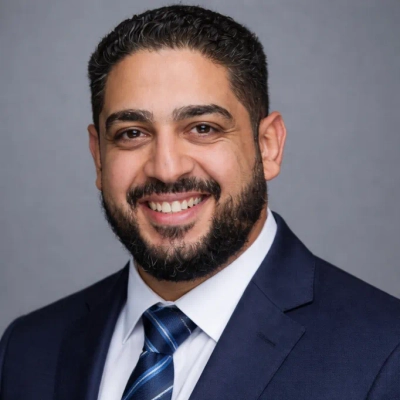
As the author of five marketing books and CEO of RewardLion, I’ve spent over a decade helping e-commerce brands on platforms like BigCommerce build lasting customer relationships. My focus is on eliminating the friction that usually kills customer retention.
The most effective strategy we deploy is integrating a cardless, app-free SMS loyalty program directly into the checkout experience. Customers simply opt in with their mobile number to instantly join a unified VIP database.
Once registered, our system uses a patent-pending algorithm to send highly personalized text promotions to invite them back for additional purchases. This automated, direct-to-mobile approach dramatically increases purchase frequency and keeps the brand top-of-mind without forcing customers to download any apps.
Offer Expert Honest Guidance For Every Sale
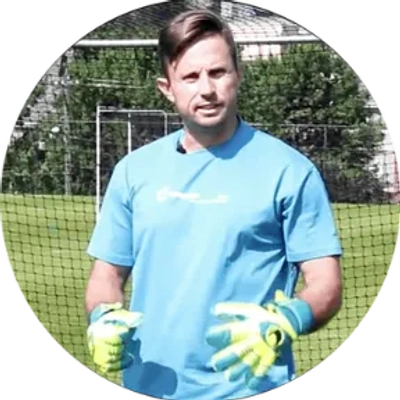
Building brand loyalty for an e-commerce business serving a specialized community? That’s what we’ve done every day at Keeperstop since 2005, and it starts with one thing: authenticity.
The single most effective strategy has been recognizing the personal nature of every goalkeeper glove or equipment sale. Every purchase matters to the goalkeeper and the family behind it. That’s why we moved away from transactional thinking and built our entire experience around relational recognition. Customers can call or email us directly, talk to a real goalkeeper, and get honest guidance on sizing, fit, glove cuts, latex types, whatever they need. When a parent calls confused about whether their kid needs a size 6 or size 7, or whether finger protection is the right choice, they’re talking to someone with 30 years of experience who has actually trained in the gear. That builds a kind of trust that no discount code can replicate.
As the owner and creator of Keeperstop.com and a goalkeeper myself, I don’t try to own my niche. I try to inform the goalkeeper community and help them with soccer goalie glove purchases, whether they’re a youth goalkeeper just starting out or a college program trying to find the best goalkeeper glove on sale with the best grip and durability. Keeperstop.com has become a knowledge hub, publishing highly technical goalkeeper equipment reviews on each product page that help directly solve our goalkeeper families’ unique questions and pain points.
We also engage with our youth soccer goalies, families, and goalkeeper coaches outside our USA-based online store through our @keeperstopgk and @keeperstop social media channels to entertain, inspire, and educate. And not as a marketing strategy. I personally respond to goalkeeper glove and training questions on community forums and subreddits because that’s what helping the goalkeeper community actually looks like.
The result is families who stay with us for years. We’ve had goalkeepers tell us they grew up with Keeperstop, buying gloves from us across multiple levels of play. That loyalty comes from being a partner in every goalkeeper’s journey, not just the store that had the lowest price that one time.
My secret to building brand loyalty is authenticity. Great gear matters most when paired with honest advice. That’s been our strategy from day one.
Help Buyers Get More From Initial Purchase
One of the most effective loyalty strategies I’ve seen wasn’t a discount program or rewards system. It was helping customers get more value from their first purchase.
We worked with a BigCommerce store that sold home organization products, and they had a common problem: customers would buy once, be happy with the product, and then disappear for months. The store kept sending promotional emails, but most customers simply weren’t ready to buy again.
Instead, they created a short post-purchase email series focused entirely on helping customers use what they had already bought. One email shared practical setup ideas, another highlighted mistakes to avoid, and another showed how other customers were using the products in their homes.
What surprised me was that customers started returning to the website even when they weren’t shopping. They were opening emails, exploring new ideas, and staying connected to the brand long after their order arrived.
The biggest lesson was that loyalty grew when the company stopped asking for another sale and started helping customers succeed with the one they had already made. That’s what kept the relationship going between purchases.

Mail A Genuine Thank-You After First Order
The single most effective loyalty strategy we have implemented is sending handwritten thank you notes after every first purchase. Not printed cards. Not emails with a cursive font. Actual pen on paper notes written by our patented robots that are indistinguishable from human handwriting.
We built Simply Noted to do exactly this at scale, so we use our own product religiously. Every new customer gets a handwritten note within 48 hours of their first order thanking them by name and offering a small incentive on their next purchase. The note costs us about $3 including postage. Our repeat purchase rate from customers who receive the note is roughly 40% higher than those who only get our standard email follow up.
The reason it works is simple. A handwritten note feels like effort. It signals to the customer that they are not just an order number. In a world where every brand sends the same automated email sequences, a physical note sitting on someone’s desk creates a completely different emotional response. People keep them. They photograph them. They mention them to friends.
We have also tested sending notes on customer anniversaries and after their third purchase as a milestone acknowledgment. Both drive measurable reorder activity. But the first purchase note is the foundation. If you only do one thing for loyalty, make it a genuine thank you that arrives in their mailbox, not their inbox.

Related Articles
- Building Customer Loyalty: Social Media Strategies That Work
- BigCommerce Email Marketing: Creative Campaign Ideas
- 12 Social Media Tactics to Drive Sales on Your BigCommerce Store (With a Campaign Example)