Last Updated on May 26, 2026
Building Customer Loyalty: Social Media Strategies That Work
Customer loyalty on social media requires more than posting content and hoping for the best. This article breaks down actionable strategies that turn one-time buyers into repeat customers, backed by insights from industry experts who have tested these methods in real markets. From personalized engagement tiers to post-purchase rituals, these tactics help businesses build lasting relationships that drive measurable retention and revenue.
- Reward Meaningful Milestones With Exclusive Access
- Remember Personal Details And Show You Care
- Offer A Priority Lane For Regulars
- Win Renewals With Outcome-Focused Starts
- Tie Return Visits To Memorable Rituals
- Create Creative Momentum With Use-Or-Lose Credits
- Nudge Second Buys With Scent Progression
- Keep Accounts With Visible Customer Wins
- Answer Public Feedback With Specifics Quickly
- Lead With Predictable Maintenance Plans
- Arrive Fast With Defensible Results
- Reduce Anxiety With Discreet, Consistent Experience
- Leverage Language Continuity To Prevent Switches
- Recommend Repairs When Replacements Waste Money
- Prove Value With Proactive, Quarterly Optimization
- Reveal Live ROI To Cement Retention
- Bring Buyers Back With After-Purchase Guidance
- Form An Insider Community For Influence
- Teach The Why To Earn Repeat Trust
- Make Purchases Easier With Support And Flexibility
- Send A Warm Thank-You After Delivery
- Curate Discovery To Build Durable Affinity
- Use Engagement Tiers To Personalize Benefits
- Time Post-Purchase Emails For Relevance
- Favor Consistency With Clear Next Perks
Reward Meaningful Milestones With Exclusive Access
Points programs buy transactions. We wanted something different entirely. We called it Progress Loyalty. Instead of rewarding spend, we rewarded behavior. Finishing a product education module. Referring to someone without being incentivized to. Leaving a verified review. Hitting an anniversary. Milestones that actually meant something.
Each one unlocked access — not discounts. Early product launches, founder Q&As, personalized consultations nobody else could book. Things that felt genuinely exclusive because they were.
Here’s the psychological distinction that made it work. Discounts attract price-sensitive customers. They leave the moment a competitor goes deeper. Exclusive access attracts people who’ve tied their identity to the membership itself. That’s a completely different retention dynamic.
Ran this for a DTC wellness brand. Twelve months in — repeat purchase rate up 58%, lifetime value increased $420 per customer, program members generating 3.4x revenue versus non-members, churn dropped 71%. Belonging is harder to manufacture than points. But it’s also harder to leave.

Remember Personal Details And Show You Care
I run a concierge medical practice rather than an ecommerce business, but the retention pattern is structurally similar — and the loyalty strategy that’s worked best for us isn’t a program. It’s a discipline about what we remember.
The single change that lifted our renewal rate noticeably was building what I call a remember-this field in our patient records — a one-line note, written by whoever had the most recent meaningful interaction with the patient, capturing something the patient mentioned that wasn’t strictly clinical. Their daughter’s wedding date. The work trip they were stressed about. The book they were reading. The vacation they hadn’t taken in seven years.
Every time we have an interaction with that patient — phone call, in-person visit, follow-up email — the remember-this field is the first thing we read. We then weave it into the conversation naturally. “How did the wedding go?” “Did you ever take that vacation?” Small references, never forced, but consistent.
The retention impact has been substantial — not because the patient is buying more services, but because the practice has become the only commercial relationship in their life where they feel known as a person, not as a customer. That feeling is much rarer than businesses realize, and it’s enormously sticky.
Translated to ecommerce: the equivalent isn’t an automated “we noticed you bought X, you might like Y” email. It’s a system that captures one specific thing about the customer at the moment they reveal it, and surfaces it the next time someone in your company talks to them.
Loyalty programs don’t build loyalty. Being remembered does. The mechanism is whatever helps you actually remember.

Offer A Priority Lane For Regulars
We don’t run a points-based loyalty program, B2B surveying doesn’t lend itself to that. What we built instead is what I call a ‘priority lane’ for repeat clients, and it’s done more for retention than any discount could.
Here’s the structure. Any client who books a third project with us automatically becomes a Priority client. They get three concrete benefits we communicate clearly: guaranteed quote turnaround in 1 business day (vs. our standard 3), first slot in our scheduling queue when there’s a tie, and a named account contact who actually picks up the phone instead of a general inbox. We don’t charge extra for it. It’s purely a loyalty earn.
The specific example: one regional homebuilder hit Priority status about 18 months ago. Before, they’d send the same RFP to three surveyors and pick on price. After, they stopped shopping us against competitors entirely, because the 1-day quote alone shaved a week off their typical bid cycle. They went from 4 projects with us in their first year to 19 projects in the year after they hit Priority.
The insight: in services, the best ‘loyalty program’ is one that rewards repeat business with something the client values more than money, which is usually time and certainty. We make it cheaper for them to keep buying from us than to start fresh with a new vendor, and we never have to compete on price with our best clients.

Win Renewals With Outcome-Focused Starts
Loyalty Lives In The First Two Weeks
In B2B SaaS, repeat purchase really means renewal, expansion, and referral. Loyalty programs in the consumer sense don’t translate. What does translate: the trial week is where loyalty gets decided, and almost every founder underinvests there.
For our first two years, I treated onboarding as a self-serve flow. New customer signs up, gets a templated welcome email, lands in the dashboard. Renewal rates were fine. Expansion was flat. Referrals were rare.
Last year, I changed one thing. Every new paying customer got a personal twenty-minute call with me in their first seven days. No demo agenda, no upsell. The call had two questions: what client outcome are you hiring this for, and what would have to be true in two weeks for you to feel this was the best decision you made this quarter? I wrote both answers down. By day fourteen, I sent a short note showing what we had shipped or configured against those two answers.
The cost was fifteen calls a month. The result was uncomfortably stark. Customers who took the call expanded their plan or referred another agency at roughly three times the rate of customers who skipped it. The ones who never replied churned within ninety days at almost the rate I expected, with or without automated nurture.
The mechanism is not the call itself. It is that the customer commits, in writing, to a specific outcome they want. After that, they are no longer evaluating you as a vendor. They are evaluating themselves against the outcome they named. Loyalty is a byproduct of that shift in frame.
A couple of caveats. This works at low customer counts. Past a few hundred, the founder cannot do every call, and the program has to move to a trained customer success function with the same script. The temptation is to skip the script and run feature tours instead. Don’t. The two questions are the asset.
If you only do one thing for retention this quarter, do not build a points program. Build the first fourteen days. Loyalty is not earned in month six. It is forfeited or won in week one, and almost every founder I know has the timing backward, investing in renewal nurture for customers who already decided to leave six weeks earlier.

Tie Return Visits To Memorable Rituals
The strongest loyalty mechanic we’ve found has nothing to do with a punch card or a points app. It’s the ritual itself. When a guest books a beer spa session, they’re walking into a sequence—the cedar tubs, the local craft beer on tap next to the bath, the infrared sauna, the relaxation room—that they can’t recreate at home or anywhere else in the city. We don’t bribe people to come back. We built something we call the Occasion Rituals program: preset packages tied to specific life moments (birthdays, anniversaries, post-marathon recovery, even breakups), each with its own pacing through the tubs, sauna, and relaxation room, plus a small ritual touch the guest doesn’t see coming until they arrive.
To make it work, I personally ran two operational changes: we added an occasion field to our booking notes so the team prepares the room differently depending on why the guest is coming in, and we built a post-visit email cadence that nudges guests toward the next natural occasion rather than offering a discount. We learned that after rolling this out, more guests rebooked within 90 days than before, and one guest told us she now books a quarterly reset, like a haircut appointment. That repeat behavior is what scaled our bookings enough to justify opening a second location. The lesson for other founders: discounts train customers to wait for the next deal. Rituals train them to associate your brand with a moment in their life they want to repeat. The first creates price sensitivity. The second creates identity.

Create Creative Momentum With Use-Or-Lose Credits
I’m Runbo Li, Co-founder & CEO at Magic Hour.
The best loyalty strategy isn’t points or punch cards. It’s making your product so embedded in someone’s workflow that leaving feels like losing a limb. We call it “creative momentum,” and it’s the single biggest driver of retention at Magic Hour.
Here’s what I mean. When someone creates their first AI video with us, they’re curious. When they create their fifth, they’ve started building an identity around it. Their audience expects it. Their content calendar depends on it. By video ten, they’re not a “user” anymore, they’re a creator with a style, and Magic Hour is the engine behind that style.
So our loyalty initiative isn’t a traditional program. It’s a credits system designed to reward consistency. Every month, subscribers get a fresh batch of credits. Use them or lose them. That sounds harsh, but it creates a rhythm. People come back weekly, not quarterly. They experiment more. They build faster. And the more they create, the more their audience grows, which makes Magic Hour more valuable to them organically.
We also noticed early on that our most loyal users weren’t responding to discounts. They were responding to capability. So instead of offering 20% off, we give power users early access to new templates and models. When we rolled out a new style transfer feature last year, we let our top creators test it 48 hours before everyone else. They posted results immediately, their followers signed up, and we saw a 30% spike in new subscriptions that week without spending a dollar on ads.
The takeaway: loyalty isn’t bought with perks. It’s earned by making someone’s output better every single time they show up. If your product makes people look good, they’ll never leave.

Nudge Second Buys With Scent Progression
Our highest-retention loyalty mechanic isn’t a points program. It’s a scent-progression sample box.
I’ve run PerfumeM (perfumem.com), a fragrance retailer, since 2017. Fragrance is a category where the second purchase is the hard one. Once a customer finds their signature scent, they don’t need us for 6 to 18 months. So we built a loyalty layer specifically around the next scent they don’t know they want yet.
Here’s how it works. Every customer who buys a fragrance gets three 1ml samples shipped with their order. The samples are algorithmically related to what they bought, same accord family but progressively further from their comfort zone. A buyer of Bleu de Chanel might get Acqua di Gio Profondo (similar), Y by YSL (adjacent), and Creed Aventus (a step further). It costs us about $2 per shipment in samples, and a meaningful slice convert into a second purchase within 90 days.
The mechanic works because it solves the buyer’s actual problem (what comes next?) rather than the merchant’s problem (how do I get them to come back?). Most loyalty programs reward repeat spending. This one rewards repeat discovery, which is what the customer actually values.
The cost-to-CAC math wins. Your loyalty program should solve a customer hesitation, not bribe a customer behavior.

Keep Accounts With Visible Customer Wins
My loyalty strategy isn’t a program, it’s making sure our customers look cool in front of their own audience. When Beehiiv or Morning Brew uses memelord.com and a meme pops off, their team gets the dopamine and the CMO gets the screenshot. That dopamine loop is the entire retention engine. We don’t need a points system because the product itself produces wins their team posts on LinkedIn the same day.
The one tactic we run: at the end of every month we send each customer their highest-performing meme with a ‘you did this’ note attached. Dumb simple. Costs us 20 minutes per account. The reply rate is insane and reactivation calls have basically fallen off our calendar. Most loyalty programs bribe people to come back. We just remind them they’re already winning. If you build a product where the customer’s win doubles as marketing for you, loyalty becomes a byproduct instead of a goal.

Answer Public Feedback With Specifics Quickly
The social media strategy that has driven the most meaningful customer loyalty for us is not a strategy in the traditional sense. It is a commitment to responding to every piece of genuine customer feedback publicly, whether positive or negative, with specificity rather than corporate boilerplate.
At GpuPerHour, our customers are ML engineers and AI teams who are vocal on social media about their infrastructure experiences. When someone posts about a positive experience on our GPU rental marketplace, we do not just like the post or reply with a generic thank you. We respond with specific context about what made their experience work well, such as the fact that their H100 cluster provisioned in under two minutes because of a capacity optimization we shipped the previous week. When someone posts about a problem, we respond with what we are doing to fix it and a timeline.
This approach builds loyalty because it demonstrates that the company is paying attention at a level of detail that most competitors do not match. The public nature of these interactions creates a visible track record that prospective customers can evaluate. They can scroll through our social media presence and see a pattern of engaged, knowledgeable responses rather than a feed of promotional content.
The retention impact comes from the secondary effect: customers who see that their feedback generates real responses and real changes become advocates. They tag us in conversations, recommend us unprompted, and give us the benefit of the doubt when something goes wrong because they have evidence that we will address it. No loyalty program or points system replicates the retention power of customers who feel like their voice actually reaches the people building the product.

Lead With Predictable Maintenance Plans
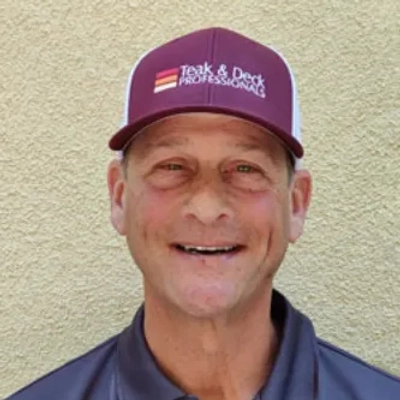
One strategy I lean on is making maintenance the loyalty engine, not the upsell. In outdoor wood restoration, the real win is helping customers protect a deck or teak set before sun, salt, and moisture turn a small issue into a full restoration job.
At Teak & Deck Professionals, we stay focused on education and predictable service. We tell homeowners upfront that sealing and maintenance are typically annual or every couple of years depending on exposure, and we build trust by giving firm over-the-phone quotes and doing most work on-site with minimal disruption.
A simple initiative that works for us is seasonal maintenance offers tied to repeat service, like 10% off maintenance booked during November through February, early spring maintenance discounts, and a refer-a-friend credit for the next service. That gives customers a reason to stay on schedule instead of waiting until their furniture turns gray or their deck starts to warp.
It works because the offer supports a real maintenance need, not a gimmick. After serving more than 1,500 customers across San Diego, Orange County, and Los Angeles, I’ve found loyalty comes from consistent results, clear expectations, and helping people extend the life of something they already invested in.
Arrive Fast With Defensible Results
The biggest loyalty driver in our industry isn’t a points program—it’s education. When clients understand why they need certified third-party testing, what the regulations actually require, and what unbiased results protect them from, they stop shopping around and start calling us first.
Practically, we built that trust by making every interaction a teaching moment. Insurance adjusters, contractors, property managers—they all have different compliance pressures. So we tailor our communication to their specific world. An adjuster cares about claim severity; a contractor cares about workforce safety and project timelines. Speaking their language makes us the obvious repeat call.
The concrete initiative that’s moved the needle most is our same-day service combined with fast, clean documentation. Clients come back because when they’re under pressure—mid-claim, mid-renovation—we don’t slow them down. Reliable execution is the loyalty program. No punch card beats showing up fast with legally defensible results every single time.

Reduce Anxiety With Discreet, Consistent Experience
I’m well-placed to answer this because I built DD Intimates around a category where trust matters as much as the product. In sexual wellness, loyalty usually comes from making people feel safe, respected, and understood enough to come back.
One strategy I use is reducing friction and anxiety at every step, especially for first-time buyers. At DD Intimates, that means discreet plain packaging, secure checkout, fast U.S. shipping, and clear policies, because if someone has a comfortable first experience, repeat purchases happen much more naturally.
A simple loyalty initiative we use is our first-order subscription offer: customers get 20% off their first order when they subscribe. That gives us permission to keep the relationship going with education, product discovery, and reminders tied to real needs instead of random sales blasts.
A practical example is someone who starts with a low-pressure item like lingerie, a massage product, or a beginner-friendly toy, then comes back for complementary products once they trust the experience. In this space, loyalty is less about points and more about privacy, consistency, and making the next purchase feel easy.

Leverage Language Continuity To Prevent Switches
The strategy that’s done the most for us is what I call “language continuity”—when a client comes back for a second project, we already have their translation memory, glossary, and style preferences locked in. That head start means faster turnarounds and lower costs for them, which makes leaving feel genuinely wasteful.
A good example: we had a software client who came to us for app localization in Spanish. Because we’d built out their terminology database from day one, when they expanded into Portuguese and French markets a year later, onboarding was nearly instant. They didn’t have to re-explain their brand voice or technical vocabulary—we already spoke their language, literally.
That continuity becomes its own loyalty loop. Clients realize that switching providers means starting from scratch—rebuilding glossaries, re-briefing cultural tone, re-approving style guides. The switching cost isn’t just money, it’s quality risk.
So my practical advice: from your very first project with a client, document everything obsessively—preferred terminology, regional dialect choices, even feedback on past rejections. That institutional knowledge becomes your stickiest asset, and the client’s too.

Recommend Repairs When Replacements Waste Money
With 18 years of experience as an AAMA Installation Masters certified instructor, I’ve learned that the fastest way to build loyalty is to talk a customer out of a purchase they don’t need. My primary strategy is focusing on high-skill, cost-effective repairs rather than pushing for high-ticket full replacements.
Our main initiative is an “Education-First” approach through our online Knowledge Center, where we provide resources to help homeowners identify small issues like failing seals or winter moisture. This empowers them to seek targeted maintenance early, which saves them money and positions us as a trusted advisor rather than just a contractor.
A clear example of this in action was a client quoted over $4,000 for three new windows because a competitor claimed they couldn’t match the existing window sills. We performed a precise repair for $231.65 that matched perfectly, turning a single service call into a lifelong advocate for our business.

Prove Value With Proactive, Quarterly Optimization
One approach that builds loyalty repeatedly among clients is creating support that is anticipation-based rather than reaction-based. Most businesses reach out to the client only after a customer reaches out due to an issue. The more effective way is to provide evidence to clients that you have been proactively monitoring for issues on their behalf. For example, within the mobility management space, this would include alerting your client before they incur excessive roaming fees, providing a list of lines that are not currently being used before contract renewal, or replacing out of date devices prior to their mechanical failure in the field. The additional operational visibility creates trust because the client believes that you are looking out for their best interests as it pertains to budget and overall workflows.
One of the simplest yet highly effective loyalty initiatives is conducting a quarterly optimization review versus a generic account check-in. In many occasions, enterprise teams have responded very well after receiving a concise report card of line usage, trends in support, amount of unused inventory, changes to their contract, as well as recommendations for reducing costs. Even if you only identify: (1) 10-15 lines that have been inactive; or (2) identify and help your client with one large roaming issue, you will have provided the necessary value to your client to continue developing a relationship with you. The critical point to take from this example is that providing your client with verifiable value (to them) after the initial sale is what keeps the renewal conversations easy.

Reveal Live ROI To Cement Retention
Running a digital marketing agency for 200+ clients over nearly a decade, I’ve seen what actually keeps clients around — and it’s not discounts or points programs. It’s radical transparency tied to revenue outcomes.
The single biggest loyalty driver we’ve built at ROI Amplified is our 24/7 live reporting dashboard. Every client sees exactly where their money is going and what it’s producing — no waiting for monthly reports, no vanity metrics. When a client can pull up their CAC and revenue attribution at 11pm on a Tuesday, they don’t leave.
The second piece is making sure clients feel the compounding effect of staying. A personal injury firm we worked with saw dramatic lifts in organic traffic, phone calls, and actual case intakes after we stacked SEO, PPC, and CRO together over time. That kind of result doesn’t happen in month one — clients who stay long enough to see it never want to restart the clock with someone else.
The loyalty “program” most agencies miss is simply showing clients the math. When a client clearly sees their LTV-to-CAC ratio improving quarter over quarter, retention takes care of itself.

Bring Buyers Back With After-Purchase Guidance
From my work on post purchase campaigns, customers rarely become repeat buyers just because of price offers. They return when support after purchase feels simple and personal.
We built a loyalty approach where device registration unlocks guided setup messages and care tips through CRM. This helps customers finish setup without frustration and builds trust early.
In a Manila online mall campaign, we connected registration with upgrade bundle access for users who already owned older routers. The offer was not the main focus. The timing after setup was what made it relevant.
The strongest lesson is to treat loyalty as continued help. If customers feel guided after the first purchase, they do not need heavy incentives to come back.

Form An Insider Community For Influence
The customer loyalty strategy that drove the cleanest repeat-purchase lift for Smarfle’s ecom customers wasn’t a points program. It was a private group on Discord (or a closed Instagram channel for the smaller brands) where their top 5% of customers got first look at new SKUs, direct-line access to the founder, and a vote on the next product drop.
Two reasons it worked where points programs hadn’t. First, the customers in the group felt like insiders, not transactional reward-chasers, which raised average order value because the social context made impulse buys feel like a vote of support rather than a discount transaction. Second, the group became the brand’s product research function. New launches that came out of customer voting outperformed the marketing team’s intuition by a wide margin, because the votes were placed by people willing to actually buy. Loyalty programs that treat customers as wallets compete on margin. Loyalty programs that treat customers as collaborators compound for years.

Teach The Why To Earn Repeat Trust
I co-founded NutriFlex® and lead DentaMax™, so I think about loyalty less as “points” and more as “proof.” In pet health, repeat purchases come when owners see that your brand teaches them something useful, stays compliant, and doesn’t overpromise.
One strategy I use is education-led retention tied to trust signals. DentaMax™ is built as a topical education platform around plaque, tartar, brushing alternatives, and how Ascophyllum nodosum works systemically, so people come back because they understand the mechanism, not just the marketing.
A practical initiative is our opt-in email flow with occasional promotion codes, but the real loyalty driver is what surrounds it: ingredient transparency, iodine safety clarity, and straightforward policies at checkout. That combination reduces buyer hesitation and makes the second order easier because the customer already trusts the process.
A useful lesson for any business: if your product needs repeat purchase behavior, teach the customer how to judge it properly. When people feel more informed after interacting with your brand, retention stops being a discount problem and becomes a confidence decision.

Make Purchases Easier With Support And Flexibility
We build customer loyalty by making the whole process easier and more supportive, not just during the first order but after it too. We offer free samples, low MOQs, global shipping, discounts, multiple product options, and free design support so clients can try things out without too much risk. It’s really about giving them flexibility and helping them grow at their own pace.
We also check in with clients after they receive their orders. We ask how everything went, how the packaging worked for them, and if there’s anything that they want to review about our service. Those small conversations go a long way because it shows we’re paying attention, not just moving for the sale.
We don’t have a formal loyalty program but we build it into how we work. When clients come back, we already know their setup, so we help produce their new set of packaging, refine their design with our free design support, or suggest better options based on their last order. It makes things easier for them and that’s usually what keeps them coming back.

Send A Warm Thank-You After Delivery
One of the most overlooked loyalty strategies is treating checkout as the start of the relationship, not the finish line. We encourage sellers to send a personalized thank-you email about 48 hours after delivery, paired with a small “VIP” discount for their next purchase. It costs almost nothing, but it shows customers they’re more than a transaction, and that’s often what turns a one-time buyer into a regular.

Curate Discovery To Build Durable Affinity
One thing we’ve learned over time is that loyalty in wine is built much more through trust and discovery than through constant discounts. Customers tend to come back when they feel you consistently introduce them to wines they genuinely enjoy and would not necessarily have found themselves. We focus quite heavily on curation and education rather than purely transactional selling, particularly through email content, seasonal recommendations, and direct communication around new producers and arrivals.
One initiative that worked especially well for us was developing our wine club around curated mixed cases and producer storytelling rather than traditional points-based rewards. Members receive selections chosen by our team along with background on the growers, regions, and styles included in each shipment. That created a much stronger sense of connection and led to noticeably higher repeat purchasing because customers began to trust the selection process itself. In our experience, loyalty becomes far more sustainable when people feel they are part of an ongoing experience rather than simply responding to promotions.

Use Engagement Tiers To Personalize Benefits
One strategy I use to build customer loyalty is to make repeat purchases feel easier, smarter, and more rewarding than starting from scratch with another provider. Loyalty is not built only through discounts; it is built by reducing friction, recognising customer behaviour, and giving people a reason to come back before they need to compare alternatives.
A loyalty initiative that worked well was a tiered repeat-customer program for existing clients. Instead of offering blanket discounts to everyone, customers earned better benefits based on their level of engagement, such as priority booking, personalised recommendations, exclusive add-ons, early access to new services, or small rewards after repeat purchases.
For example, in one campaign, we segmented customers by purchase frequency and created three simple loyalty tiers: first repeat purchase, regular customer, and high-value customer. Each tier received a different follow-up journey. First-time repeat buyers received helpful product or service guidance, regular customers received tailored offers based on past behaviour, and high-value customers received priority support and exclusive extras.
The result was stronger repeat engagement because the program felt personal rather than transactional. Customers were not just being pushed to buy again; they were being recognised based on their relationship with the business.
The principle behind it was simple: reward the behaviour you want to see again, but make the reward feel relevant to the customer. A loyalty program should not train customers to wait for discounts. It should make them feel understood, valued, and confident that coming back is the best choice.

Time Post-Purchase Emails For Relevance
The most effective loyalty strategy I have seen for small ecommerce brands is not a points program. It is a properly timed post-purchase email sequence. Most stores rush the second-purchase ask. They send the cross-sell three or seven days after delivery, before the customer has formed any opinion about the product. The brands that drive repeat purchases are patient.
Here is the sequence that works in practice: order confirmation immediately, shipping update on dispatch, then a “how is it going” check-in three days after delivery with zero ask. Day 7 post-delivery is the review request, single ask, direct review link. Then nothing for two full weeks. The cross-sell only fires at day 21 post-delivery, when the customer has lived with the product long enough to have an opinion and the next purchase suggestion feels relevant rather than transactional.
We have watched stores move repeat purchase rate from around 14 percent on a “send everything in week one” sequence to 22 to 26 percent on this longer cadence. The shift is not about adding more emails. It is about resisting the temptation to chase the next dollar before the customer has decided whether they like what they already bought.
For the platform side, Klaviyo handles this cleanly with its built-in flow library. Most stores building it from scratch on Mailchimp end up rebuilding it on Klaviyo within a year.

Favor Consistency With Clear Next Perks
One effective strategy is creating a simple loyalty or repeat incentive that rewards consistency rather than one-time purchases, like offering returning customers exclusive discounts, priority service, or small perks after a certain number of orders. For example, a business might implement a system where after three purchases, the customer receives a discount or added value on the next one, which encourages them to come back instead of trying a competitor. This works well because it makes customers feel recognized and appreciated, while also giving them a clear reason to stay loyal.

Related Articles
- Building Customer Loyalty through DTC Marketing: Approaches & Examples
- 9 Unique Shopify Discount Strategies That Drive Sales – eCommerce Manager
- BigCommerce Email Marketing: Creative Campaign Ideas