

Last Updated on August 26, 2026
Ecommerce Visions: Future Goals & Aspirations
The future of ecommerce is being shaped by ambitious leaders who are rethinking everything from customer retention to operational efficiency. This article features insights from industry experts who share their most compelling goals and strategies for building resilient, customer-focused businesses. Their visions span personalized experiences, omnichannel expansion, and innovative technologies that solve real problems for shoppers.
- Ensure Complete Accuracy Across The Storefront
- Lead EV Cable Care With Repairable Parts
- Achieve Hands-Off Operations Through Smart Agents
- Own Pre-Store Research For Men’s Rings
- Win Decade-Long Trust Through Vertical Integration
- Emerge As The Trusted Home Spa Guide
- Grow Independent Wholesale To Lead Sales
- Deliver Custom Cabinets Nationwide In Ten Days
- Normalize Handwritten Mail For Retention
- Enable Mold Prevention With Phone Guidance
- Pursue A Durable Business Through Depth
- Establish Infrastructure For Ecommerce Video Creation
- Simplify 3PL Selection Like Expedia
- Turn QR Into A Real-Time Product Signal
- Set A Fair Standard For Limited Releases
- Strengthen Repeat Revenue Through Better Relevance
- Expand To A Resilient Omnichannel Brand
- Convert Operational Discipline Into Shopper Confidence
- Craft Personalized Paths For Career Growth
- Fuse Faith Wellness With Tailored Technology
- Leverage Google Trends For Proactive Decisions
- Unify Channels Around Profit Per Buyer
The State of eCommerce in 2026
Ensure Complete Accuracy Across The Storefront
My goal is boring and specific: to reach the point where every page on the store is accurate. With around ten thousand products, the gap between what the site claims and what is actually true—availability, sizing, delivery times—is the single biggest source of both lost sales and support work. I am not chasing more traffic or a wider catalogue; I am chasing a storefront where nothing on it is a lie by omission. That is less exciting than a growth target, but it is the only thing I have seen compound. Trust is the one asset in this business you cannot buy back once spent.
The Complete 2025 E-commerce Manager Career Guide: From Entry-Level to Executive

Lead EV Cable Care With Repairable Parts
Our goal is to make the cable the last thing anybody has to think about. In practice that means becoming the place where a UK driver gets exactly the right lead and then keeps it working for the life of the car rather than replacing it.
That has pushed us towards repairability rather than range. Most cables that come back to us are not broken. They have a damaged plug, a torn sleeve or a worn latch, and the whole thing gets binned because nobody sells the part. We stock spares for 14 of our lines now, and the aim is every line we sell, alongside honest guidance on what is worth repairing and what is not safe to touch.
There is a commercial argument against it. Selling somebody a replacement is worth more than selling them a part. I do not think that position survives the next few years. As the fleet ages, the driver who bought a cable when the car was new becomes the driver replacing a plug, and the shops that helped are the ones they come back to.
Put plainly, the aspiration is fewer cables sold per customer and more customers. That is an uncomfortable thing to write in a business plan, and I still think it is the right direction for this trade.

Achieve Hands-Off Operations Through Smart Agents
One goal: a shop that runs a full day without me touching it — and not by hiring. I’m building toward a pipeline where software agents renew listings, adjust ads against break-even targets, enhance product photos, and draft every customer reply, with me reviewing a morning queue instead of working a counter all day. Pieces of it already run in production. The aspiration underneath is simple: I want the business to scale by adding workflows, not headcount, so one person can keep running two jewelry brands well. The day my shop’s morning report needs ten minutes of my judgment and nothing else — that’s the vision achieved.

Own Pre-Store Research For Men’s RingsMarketing Calendar: A Complete Guide
The goal is to make FoundryCut the first place a man checks before he walks into a jewelry store. I started this company after getting quoted $680 for a plain tungsten band, so the aspiration is structural: keep cutting the layers between the factory and the finger. In practice that means more metals and styles beyond tungsten, and an expanded Forge so custom design stays a few clicks instead of a four-figure consultation. It also means publishing more of our pricing research so buyers walk in knowing what things should cost. Revenue follows trust. If a groom saves four hundred dollars and tells his best man where he did it, that referral is the business model.

Win Decade-Long Trust Through Vertical Integration
The goal Daniella and I keep coming back to is making Happy V the default women’s wellness brand a customer trusts for a decade, not a single purchase. Retention is the metric that matters, and vertical integration is how we get there. We learned early that clinical-style labels don’t move product—customers want plain language and proof we made what’s in the bottle. Owning the factory and the customer relationship means every dollar reinvested compounds twice: once in the formulation, once in the trust. That’s the operating advantage we’re playing out over the next five years.

Emerge As The Trusted Home Spa Guide
My vision for Bathwater & Beyond is to become the go-to editorial resource for home spa and self-care — closer to a lifestyle magazine than a traditional storefront. We’re actually moving away from selling products directly through our own checkout and leaning fully into original content: buying guides, product comparisons, and gift guides that help people build calmer routines at home. My one goal is to become the trusted voice people turn to before they buy anything in this category, not just another shop competing on price.

Grow Independent Wholesale To Lead Sales
Every year the ads cost more, and the same order gets harder to win. Seventeen independent stockists at the moment, which took maybe two years of unglamorous emailing to build. I want wholesale to be the larger half of the business, with about 60 shops, all independents. Six years running a home fragrance store, and the accounts that have never once haggled are all the small ones. The chains have asked twice, and both times the terms meant making the product cheaper than I’m willing to. Sixty is a guess. What I actually want is to stop checking the ad account before breakfast. We’re still bad at reordering; half the stockists tell us they’ve run out rather than letting us know before they do.
Deliver Custom Cabinets Nationwide In Ten Days
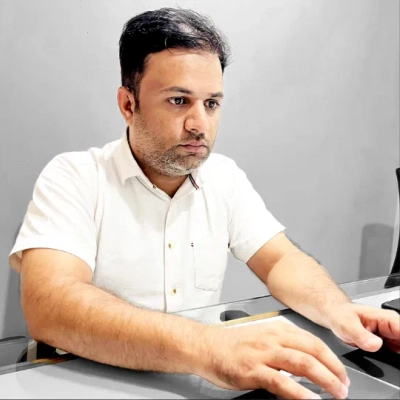
As COO and Co-Founder of LINQ Kitchen, I am committed to creating an entirely new method for producing and delivering both high-quality cabinets and luxury closet systems by implementing a fully automated spatial ordering system. This will allow us to reduce the standard 3 to 6 week time it takes to create custom products down to just 1 week. We will do this by using a web-based interactive 3D modeling tool connected in real time to our production line. Our main goal as a company is to ensure that every order received from anywhere in the United States can be fulfilled within 10 days after receipt of the order for either a basic or fully custom, millwork-quality cabinet. We intend to accomplish this goal through the use of dynamic, real-time, parametric computer-aided design tools and direct integration into our ERP system, along with real-time monitoring of all inventory items.

Normalize Handwritten Mail For Retention
My vision for Simply Noted’s future is simple: I want us to become the default channel brands reach for the moment a customer becomes worth more than a transaction. Most ecommerce companies treat every touchpoint after checkout as an email automation. We built proprietary robotics, six patents pending, that write real handwritten notes at scale so a brand can thank a customer, win back a lapsed one, or acknowledge a milestone in a way that actually gets opened. Our own tests consistently show a 99 percent open rate on these mailers, compared to single digit engagement on another marketing email.
My goal for the next few years is to make handwritten outreach as normal a line item in a retention budget as email marketing or SMS is today. I want ecommerce brands to stop thinking of direct mail as a relic and start thinking of it as the highest signal, lowest volume channel they have for the customers who matter most, their top 5 percent by lifetime value.
I got here by nearly losing a major account to a price increase. Instead of a form email, I sent a handwritten note explaining the change and locked their rate for 90 days. They stayed, and told me later it was the only vendor communication that year they actually read start to finish. That is the future I am building toward.

Enable Mold Prevention With Phone Guidance
My goal is simple. Get people checking for moisture before it turns into a mold problem, not after. Most people only think about mold once they see it on a wall or smell it in a closet, and by then it’s usually been growing for weeks. I built Mold Scanner AI so anyone can point a phone at a damp spot, a bathroom ceiling, a basement corner, a window that keeps fogging up, and get an honest read on what they’re looking at instead of guessing or ignoring it. NIH data puts visible dampness or mold in something like 47% of US homes, so this is a normal maintenance gap, not a rare edge case. Where I want the business to go is toward prevention becoming as automatic as checking a smoke detector or changing an air filter. That means better bathroom and basement ventilation, running a fan or dehumidifier before condensation shows up on glass, wiping down shower walls instead of letting them air dry alone. My aspiration is fewer people ever needing a costly professional inspection, because they caught the damp spot two weeks earlier with a phone and some airflow.

Pursue A Durable Business Through Depth
My goal is unfashionable. I want APMZEE to be a brand people are still buying from in 10 years, not one that has a spectacular year and a quiet exit.
In this category that means building for repeat purchase rather than for reach. The economics of a supplement brand are settled by whether someone is still ordering in month nine, and almost nothing in the standard ecommerce playbook is designed around that. The playbook optimises the first order. My ambition is a business where the first order barely matters because the relationship is what we sell.
What that looks like in practice: a subscription base large enough that we can plan production properly, a range that stays small and deliberate, and buyers who could describe our four pillars back to me without looking at the site.
The moment I understood this was reading a customer email thanking us for not launching anything new that quarter. He said he had been through a dozen brands that kept adding products and losing the plot. That reframed range expansion for me. It is usually a growth story told by people who have run out of ideas about their existing customers.
So the aspiration is depth. Fewer products, understood better, sold to people who stay. Slower to build, and considerably harder to copy.

Establish Infrastructure For Ecommerce Video Creation
I’m Runbo Li, Co-founder & CEO at Magic Hour.
Every small business owner should be able to produce the same quality video content as a brand with a million-dollar marketing budget. That’s the future we’re building toward, and the single goal I’m obsessed with is making Magic Hour the default way small and mid-size ecommerce brands create video, period.
Here’s why this matters. I watched my parents run small businesses my entire life. They knew their products were great. They knew video would help them sell more. But producing even one decent product video meant either spending thousands on a freelancer or losing an entire day fumbling through editing software. The ROI math never worked. So they just didn’t do it, and they lost ground to competitors who could afford to.
That constraint is gone now. We have ecommerce sellers on Magic Hour producing product showcase videos in under five minutes that would have cost them $500 to $2,000 six months ago. One agency we work with told us they cut their client delivery time from two weeks to two days while tripling their output. That’s not an incremental improvement. That’s a category shift.
The aspiration is simple: within two years, I want Magic Hour to be the engine behind millions of product videos running as ads, social content, and landing page assets across Shopify, Amazon, TikTok Shop, and every other platform where commerce happens. Not as a nice-to-have tool, but as infrastructure. The way Stripe is infrastructure for payments, we want to be infrastructure for ecommerce video.
The brands that win the next decade of ecommerce will be the ones that produce the most compelling visual content, the fastest. We’re making sure that advantage isn’t reserved for the companies with the biggest budgets.

Simplify 3PL Selection Like Expedia
I want Fulfill.com to eliminate the nightmare I lived through as a brand founder trying to find a decent 3PL. Back when I was running my e-commerce brand, I spent three months calling warehouses, getting ghosted after initial calls, or worse – signing contracts with providers who promised the moon and delivered chaos. One 3PL told me they had “state of the art technology” and I showed up to find them using literal clipboards and a Windows 95 desktop for inventory management.
My goal is deceptively simple but massive in scope: make finding a 3PL as easy as booking a hotel on Expedia. Right now we’ve got 800 verified providers on the platform and we’re matching brands with warehouses that actually fit their needs. But that’s just scratching the surface. I want real-time pricing comparison, instant capacity checks, and transparent performance metrics all in one place. No more playing phone tag with ten different warehouses hoping one calls you back.
The bigger vision? Change how the entire industry operates. When Nature Hills Nursery came to us, they were bleeding money with the wrong fulfillment partner. We matched them with a provider who saved them over 334,000 dollars annually. That shouldn’t be exceptional – it should be the baseline. Every brand deserves that kind of outcome.
I’m building toward a future where a founder can launch their DTC brand on Monday and have fulfillment completely dialed in by Friday. No consultants needed. No six-month implementations. No surprise fees buried in contracts. The 3PL industry has operated in the shadows for too long, protected by information asymmetry and relationship-based sales. We’re dragging it into the light.
The endgame isn’t just a marketplace – it’s creating the infrastructure that lets the next generation of e-commerce brands focus on building great products instead of drowning in logistics nightmares. I’ve been on both sides of this equation and I know exactly what needs to change.

Turn QR Into A Real-Time Product Signal
Pageloot started as a QR code generator and somewhere around year four we realized the real product wasn’t the code, it was the data layer sitting between a physical object and a customer action. That shift changed everything about how we build.
The goal now is to make that data layer invisible but unavoidable. Every product label, every package, every shelf tag becomes a live touchpoint that tells you what’s working and what isn’t in real time. We had a run where e-commerce clients were using dynamic QR codes to A/B test packaging copy across warehouse batches, something that would have required a full reprint cycle before. Scan rates on the winning variant were 3x the control. Zero additional print cost.
Where we’re going is deeper into that loop: QR triggers an action, action feeds back into the product experience, product experience updates automatically. We’re already seeing this with some of our 20,000+ brand customers who connect Pageloot to their CRM and close the offline-to-online attribution gap they’ve been guessing at for years.
The aspiration isn’t more codes. It’s that five years from now, a founder running a physical product business treats QR the same way they treat their email open rate. A live signal, not a decoration on a box.

Set A Fair Standard For Limited Releases
My vision is to grow Portraits de Famille into a leading cultural hub where fashion and art converge. One that connects distinct artists with a global community of collectors through meaningful, limited-edition capsules.
One central goal is to expand the Collector’s Club beyond our own brand and establish it as the new standard for limited-edition releases across fashion, art and lifestyle. By helping other brands replace opaque, first-come-first-served drops with transparent, fair and gamified experiences, we can make exclusivity more trustworthy and engaging. Ultimately, I want the business to prove that e-commerce can be more than a sequence of transactions: it can preserve creative narratives, empower artists and create communities around products with enduring cultural value.

Strengthen Repeat Revenue Through Better Relevance
My vision for Wanderlust Wine is to build an ecommerce business where sustainable growth comes from becoming better at serving the customer we already have, not simply spending more to acquire the next one. Wine gives us an interesting opportunity because purchasing is rarely just transactional. Customers discover producers, regions and styles they like, and over time we can make that discovery process more relevant. The goal is to use what we learn from purchasing behaviour to improve merchandising, recommendations and communication, while keeping the experience personal rather than over-engineered.
One aspiration I have is to make repeat purchasing a significantly stronger growth engine for Wanderlust Wine. I want customers to come back because they trust our range and find it easy to discover something worth buying, rather than because we have conditioned them to wait for a promotion. If we can increase repeat revenue while maintaining healthy margins and strong full-price purchasing, that tells me we are building genuine brand preference and a more resilient ecommerce business.
Expand To A Resilient Omnichannel Brand
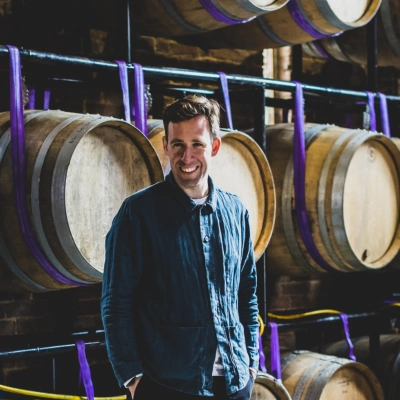
In operating my ecommerce business for 6 years, my aspiration for the future will focus on transitioning from a uni-channel store to a fully omnichannel brand wherever my customers can be reached, rather than wherever I happen to set up shop. At present, 70% of sales still come from one single source, making me vulnerable to algorithm changes in ways that could spell disaster.
My target for the coming 18 months is bringing this down to below 40%, through the use of marketplace channels and an email list that belongs fully to me and that no one else rents out. In addition, my target is increasing my customer retention rate from its current 22% to more than 35%; as it costs substantially less to keep customers than to get new ones.

Convert Operational Discipline Into Shopper Confidence
We want to make operational excellence a customer advantage in our ecommerce business. Many retailers focus on traffic and conversion, but we believe growth also comes from building customer confidence. That requires clear planning, strong teamwork, and better use of data in decisions. When our work improves, customers feel the difference through a smoother experience.
We are building an organization that can respond to changes without losing focus or margin discipline. We want our teams to move quickly while staying aligned on what matters. We believe successful ecommerce businesses will balance agility with dependability as customer expectations change. Our goal is to make that balance a lasting strength in how we operate and serve customers.

Craft Personalized Paths For Career Growth
The future of ecommerce in professional education lies in creating highly personalized learning journeys rather than simply expanding online catalogs. One long-term aspiration is to make skill development more accessible by using technology to recommend learning pathways based on career goals, industry trends, and evolving workforce needs. As digital experiences become more intelligent, the focus should remain on helping learners make informed decisions with confidence. According to the World Economic Forum’s Future of Jobs Report 2025, nearly 59% of the global workforce will require reskilling or upskilling by 2030, highlighting the growing demand for accessible, learner-centric education. From the perspective of Invensis Learning, the future of ecommerce is not just about selling courses—it is about creating a seamless ecosystem that supports continuous learning and long-term professional success.

Fuse Faith Wellness With Tailored Technology
My vision for the future of my digital platform and e-commerce model is to create a seamless connection between faith-based wellness and hyper-personalized technology. To achieve this, I will focus on creating an integrated system that provides users with tailored, spiritually focused growth packages by using their user data through personalized subscription offerings via our mobile apps, along with physical products such as guided scripture journals and additional wellness-related product lines. By utilizing current digital marketing methodologies to optimize our e-commerce experience and remove friction from the user journey, I plan to expand the global reach of my brand. This platform will be a mission-driven, high volume sales-generating vehicle that re-imagines how today’s believer engages in their daily practice of spiritual disciplines.

Leverage Google Trends For Proactive Decisions
As the Founder and Chief Operating Officer of TAOAPEX LTD, I highly recommend Google Trends as an invaluable tool for conducting market research for our Shopify store operations. Google Trends provides real-time data regarding consumer search behavior, search volume fluctuations, and regional demand patterns across global markets. Through this resource, we gained critical insights into seasonal purchasing spikes and emerging consumer product preferences well ahead of standard market shifts. For instance, analyzing search momentum enabled our team to identify rising interest in specific product categories before they peaked in general retail channels. This data-driven approach directly impacted our business by optimizing inventory management and aligning our marketing campaign schedules with genuine demand cycles. We significantly reduced excess holding costs by adjusting stock procurement according to search trajectory forecasts. Additionally, tailoring our advertising spend to coincide with high-intent search periods improved our customer acquisition efficiency and overall return on ad spend. Integrating Google Trends into our strategic planning has established a resilient, agile market research workflow that continuously supports the sustainable growth of TAOAPEX LTD.

Unify Channels Around Profit Per Buyer
I don’t run one ecommerce business, I run growth for a dozen of them across Morocco, Dubai, and the US, so my answer is really about where I want that portfolio to go. Right now most of our ecommerce clients still treat SEO, paid ads, and email as separate budgets run by people who barely talk to each other. My goal for the next two years is to close that gap completely, one dashboard where a product page’s organic ranking, its ad spend, and its abandoned cart sequence all get judged against the same number: actual profit per customer, not channel-level vanity metrics. We piloted this with a Dubai home goods brand this year, folding their Meta ads and email flows into one weekly review instead of two separate ones, and their repeat purchase rate improved without any extra ad spend. That is the aspiration, fewer silos, more compounding, clients who stop asking how the ad campaign did and start asking how the customer did.

Related Articles
- State of eCommerce Reports in 2025 by eCommerce Managers
- State of eCommerce Reports in 2025 by eCommerce Managers
- State of eCommerce Reports in 2025 by eCommerce Managers