

Last Updated on June 7, 2026
When people think about event venues, they often picture weddings, concerts, or conferences. What’s less obvious is the ripple effect a venue creates for the community around it. In small towns, especially, a single venue can serve as a powerful economic driver—fueling restaurants, hotels, shops, and even local arts.
As co-owner of The Venue at Friendship Springs in Flowery Branch, Georgia, I’ve seen firsthand how one space can shape a local economy. Our journey began with two years of research and design, studying what worked—and what didn’t—at dozens of venues across the region. We wanted to create a place that didn’t just host events but also strengthened the community around it. What we discovered is that a venue can be much more than four walls and a ballroom. Done right, it becomes an anchor institution that impacts the entire town.
The Ripple Effect of Events on Local Businesses
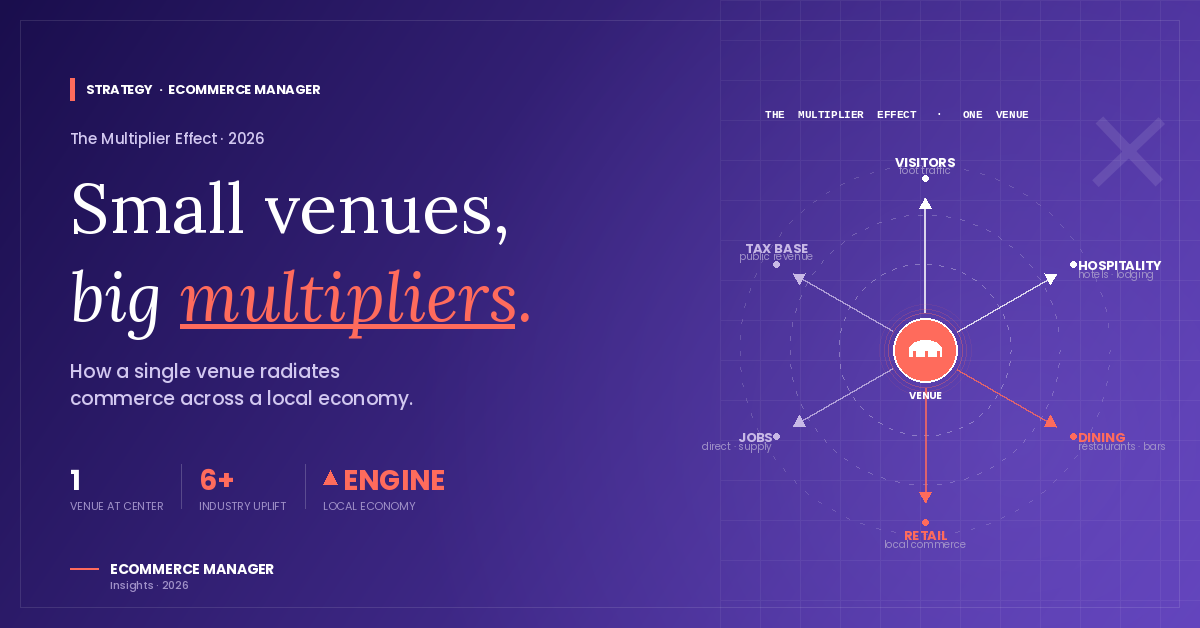
Every large event is more than a gathering—it’s an influx of people. Guests don’t just attend an event; they eat, shop, and stay overnight. In Flowery Branch, when we host a 300-person wedding or a corporate conference, it creates an immediate surge for:
- Restaurants and cafés that see higher traffic before and after events
- Hotels and short-term rentals that book rooms for out-of-town guests
- Local shops that benefit from visitors exploring downtown areas
- Transport services like ride-shares, shuttle companies, and taxis
A 2019 report by Americans for the Arts found that the average event attendee spends over $31 beyond the cost of admission in local communities. That number multiplies quickly with large gatherings. For small towns, that spending can be the difference between stagnation and growth.
Venues as Gateways to the Community
A venue is often the first touchpoint a visitor has with a town. If their experience is positive, they are more likely to return—not just for another event, but to dine, shop, or even invest locally.
We’ve found that showcasing local vendors during events strengthens this gateway effect. From caterers to florists to musicians, working with nearby businesses keeps money circulating close to home and helps guests discover what the community has to offer.
Spaces like The Venue at Friendship Springs don’t compete with local businesses—they amplify them. By intentionally creating partnerships, venues become gateways into the wider community rather than isolated destinations.
Supporting Arts, Culture, and Entertainment
Venues also play a role in sustaining local arts and entertainment. By providing a professional space for performances, exhibits, and festivals, they give artists and entertainers a platform that smaller towns may otherwise lack.
At Friendship Springs, we’ve hosted everything from school graduations to charity galas to regional expos. Each of these events doesn’t just serve attendees—it provides opportunities for local talent to be seen, heard, and supported. When communities rally around these events, they strengthen cultural identity and pride, which in turn attracts new residents and businesses.
The Employment Multiplier
Beyond guest spending, venues directly and indirectly create jobs. From staff who manage the space, to security teams, caterers, decorators, and AV technicians, events employ a wide network of professionals. Many of these are small, family-owned businesses that rely on steady event contracts for survival.
In our own experience, a single wedding or corporate event can engage more than a dozen independent businesses. That’s money flowing to local bakers, photographers, DJs, and transportation providers. When these businesses thrive, they reinvest back into the town.
Why Small Towns Need Venues More Than Cities Do
Large cities often have countless event spaces, so economic impact gets diluted. In small towns, the effect is magnified because every guest and every dollar stands out. One successful venue can put a community on the map.
For Flowery Branch, Friendship Springs has become not only a gathering place but also a marketing tool for the town itself. When out-of-town guests attend events, they leave with an impression of the community. That impression can lead to repeat visits, new residents, or even business relocations.
The Entrepreneur’s Role in Community Growth
For entrepreneurs considering investing in a venue—or any business with community touchpoints—the lesson is clear: think beyond your own walls. Every decision has ripple effects. Choosing local suppliers, showcasing community talent, and partnering with small businesses creates goodwill and sustainable economic impact.
It’s tempting to view a venue as a standalone business, but the most successful ones act as community anchors. They thrive by helping others thrive.
Conclusion
Small town venues are more than places for celebrations—they are economic engines. They drive spending in restaurants and hotels, provide stages for artists and performers, create jobs for local vendors, and introduce outsiders to the town’s identity.
When entrepreneurs design businesses with community impact in mind, they don’t just build profitable companies—they strengthen the social and economic fabric of the places they call home. In that sense, a venue is never just a building. It’s a catalyst for growth.
FAQ
How do venues support small town economies?
By attracting guests who spend on food, lodging, shopping, and transport, and by partnering with local vendors and service providers.
Why do venues have a bigger impact in small towns than cities?
Because every event concentrates significant traffic and spending in a smaller ecosystem, amplifying the effect.
What kinds of businesses benefit from nearby venues?
Restaurants, hotels, retail shops, transportation services, and creative professionals like photographers, DJs, and caterers.
How can venue owners maximize local impact?
By prioritizing partnerships with local vendors, showcasing community talent, and creating events that draw repeat visitors.
What role do venues play beyond economics?
They provide cultural value by hosting arts, entertainment, and milestone celebrations that strengthen community identity.
Jon Wayne, Co-Owner, The Venue at Friendship Springs